
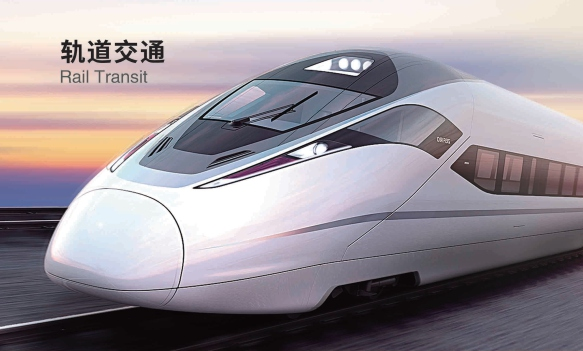
In the field of rail transit high-speed railways, it is mainly used in the following aspects:
Car body structure: Due to the lightweight and high-strength characteristics of basalt fiber, it is applied to the outer shell and internal structure of high-speed railway car bodies, which can effectively improve the speed and energy efficiency of trains.
Interior parts: Excellent formability and aesthetics make it an ideal choice for high-speed railway interior parts (such as seats, partitions, etc.). Electrical equipment shell: Due to its good electrical insulation, it is often used in the electrical equipment shell of high-speed railways to ensure the safety and reliability of the equipment.
Fireproof materials: Composite materials can meet the strict requirements of high-speed railways for fire performance by adding flame retardants.
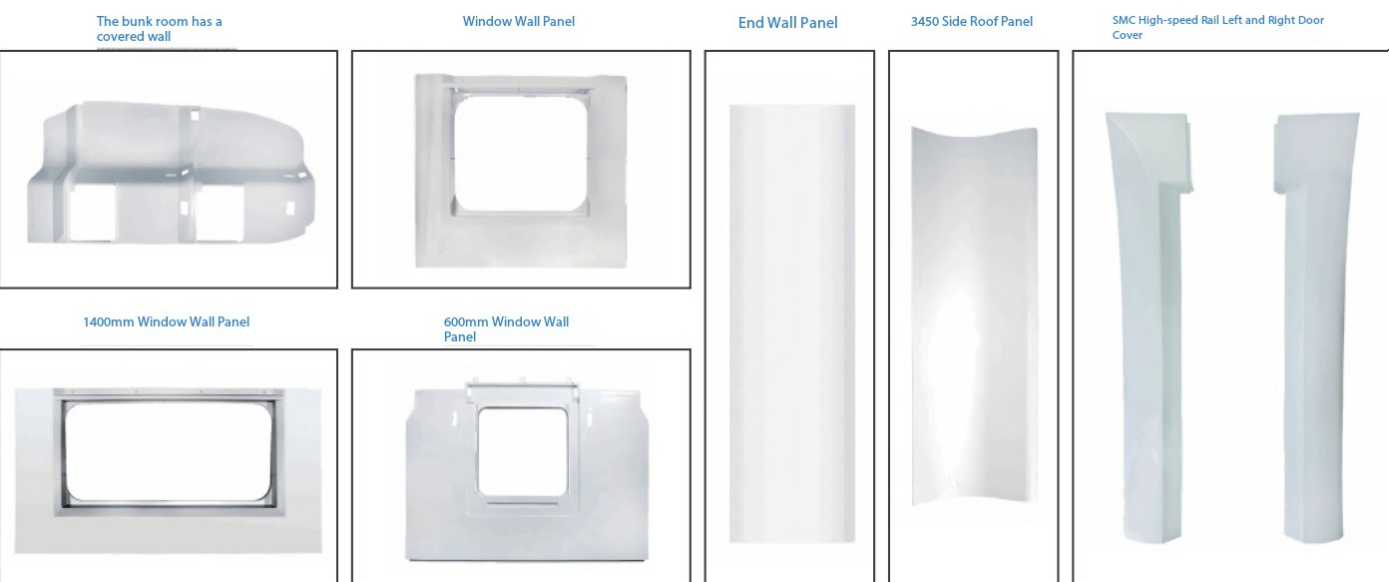
The main application components include the following:
Compartment transverse wall cover, window wall panel, 1400 window wall panel, 600 window wall panel, end wall panel, 3450 side roof panel and high-speed railway left and right door vertical covers.
Characteristics: Value to the high-speed rail industry
Lightweight and high strength: Low density (2.6-2.8 g/cm³), tensile strength up to 2000-4800 Mpa, significantly reducing the weight of the car body and improving energy efficiency.
Corrosion resistance and insulation: Resistant to acid, alkali and salt spray corrosion, with excellent electrical insulation performance, suitable for the humid and salty environment along high-speed railway lines.
Environmental protection and sustainability: No harmful gas emissions during production, and can be naturally degraded after disposal, in line with the green manufacturing trend of high-speed railways.
Fire performance: By adding bio-resin and RPET honeycomb technology, the fire resistance of composite materials is better than that of traditional fiberglass, meeting the fire protection standards of train compartments.
Prev: Basalt Fiber UAV
Our product center maintains a steadfast focus on innovation and has secured hundreds of technological patents.
9AM - 5:30PM
Our Office Hours: Mon. - Fri.
TEL:+86 18723607109
EMAIL:Server@sovix.cn
ADD:ChongQing China